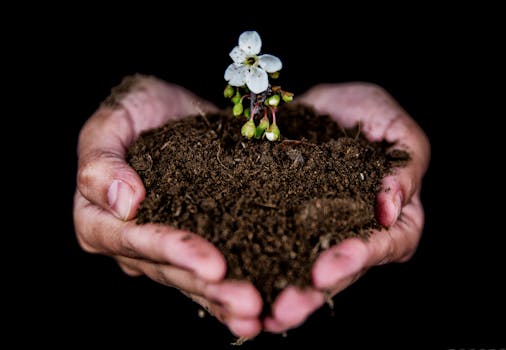

It’s often said that a gardener’s true success lies not in the blooms or bounty, but in the earth beneath their feet. Did you know that a single teaspoon of healthy garden soil can teem with billions of microorganisms, forming a complex, vibrant ecosystem? This intricate web of life is the unsung hero of every thriving garden, and understanding how to nurture it is paramount for any serious horticulturist. Moving beyond superficial care, maintaining garden soil health is a deep dive into the very foundation of plant vitality. This involves a proactive, nuanced approach, rather than reactive problem-solving.
Decoding Your Soil’s Needs: Beyond the Surface
Before we delve into specific practices, it’s crucial to understand that soil isn’t inert matter; it’s a dynamic, living entity. Its composition, structure, and biological activity dictate everything from water retention and nutrient availability to disease suppression. Neglecting this living foundation is akin to building a house on shifting sands – eventually, it will crumble. Therefore, adopting robust tips for maintaining garden soil health is less about what you grow and more about how you prepare and care for the medium that sustains it.
#### The Criticality of Organic Matter
At the heart of any fertile soil lies organic matter. This encompasses decomposed plant and animal residues, and it’s the primary driver of soil structure, water-holding capacity, and nutrient cycling. Without adequate organic matter, soils become compacted, drainage suffers, and plants struggle to access essential nutrients.
Improving Soil Structure: Organic matter acts as a binding agent, creating stable soil aggregates. This aeration allows roots to penetrate more easily and water to infiltrate effectively, preventing both waterlogging and excessive drying.
Enhancing Nutrient Availability: As organic matter decomposes, it releases vital nutrients that plants can readily absorb. It also acts as a reservoir, holding onto nutrients and preventing them from leaching away.
Boosting Microbial Life: The diverse community of bacteria, fungi, and other microorganisms that inhabit healthy soil thrives on organic matter. These tiny helpers are instrumental in nutrient breakdown, disease suppression, and overall soil fertility.
Cultivating a Richer Medium: Practical Strategies for Soil Enrichment
So, how do we actively foster this crucial organic component? It’s a continuous process, not a one-off application.
#### Embrace Compost: The Gardener’s Gold Standard
Composting is arguably the single most impactful practice for improving soil health. Whether you’re using a backyard bin, a worm farm, or purchasing high-quality compost, its integration is non-negotiable.
How to Apply: Incorporate a generous layer of finished compost into your garden beds annually, typically in the spring or fall. For established plants, a top-dressing of compost around the base can provide ongoing nourishment.
What to Compost: A balanced mix of “greens” (nitrogen-rich materials like kitchen scraps, grass clippings) and “browns” (carbon-rich materials like fallen leaves, shredded paper) is ideal.
#### Cover Cropping: A Living Mulch for Soil Rejuvenation
Planting cover crops, also known as green manure, offers a multifaceted approach to soil maintenance. These are plants grown specifically to benefit the soil rather than for harvest.
Benefits:
Erosion Control: Their root systems bind the soil, preventing wind and water erosion.
Weed Suppression: A dense cover crop smothers competing weeds.
Nutrient Scavenging: Deep-rooted cover crops can bring nutrients from lower soil horizons to the surface.
Organic Matter Addition: When tilled back into the soil, they significantly boost organic content.
Choosing the Right Crop: Legumes like clover and vetch fix atmospheric nitrogen, enriching the soil naturally. Grains such as rye and oats help break up compacted soil and add biomass.
Rethinking Tillage: Minimizing Disruption for Maximum Benefit
The traditional approach to gardening often involves deep tilling, which, while appearing to loosen the soil, can paradoxically do more harm than good in the long run. This practice disrupts the delicate soil structure and the intricate network of fungal hyphae and beneficial microorganisms.
#### No-Till and Minimum-Till Gardening
Adopting no-till or minimum-till methods is a cornerstone of modern soil health management. This involves disturbing the soil as little as possible.
Reduced Soil Compaction: Less disturbance means less pressure on soil aggregates, preserving their structure.
Protection of Soil Biota: Earthworms, fungi, and other beneficial organisms that live in the upper layers of the soil are less likely to be harmed.
Improved Water Retention: Intact soil structure is more efficient at absorbing and retaining moisture.
How to Implement: Instead of tilling, add amendments like compost directly to the surface. Use mulches to suppress weeds and retain moisture. For planting, create small openings directly into the existing soil.
Water Wisely, Feed Sustainably: Hydration and Nutrition
The way we water and fertilize has a profound impact on soil health. Over-watering can lead to anaerobic conditions and nutrient leaching, while synthetic fertilizers can sometimes harm microbial populations.
#### Strategic Watering Techniques
Deep and Infrequent: Encourage deeper root growth by watering thoroughly but less often. This allows the soil to dry slightly between waterings, promoting aeration.
Drip Irrigation/Soaker Hoses: These methods deliver water directly to the root zone, minimizing evaporation and surface runoff, which can cause soil erosion.
Monitor Soil Moisture: Use a moisture meter or the simple finger test to gauge when watering is actually needed.
#### Organic Fertilization: Nourishing the Soil, Not Just the Plant
While synthetic fertilizers provide a quick fix of specific nutrients, they often do little to improve the underlying soil structure or biology. Organic fertilizers, on the other hand, feed the soil food web, leading to long-term fertility.
Examples: Aged manure, bone meal, fish emulsion, and rock phosphate release nutrients slowly as they are broken down by soil microorganisms.
Slow Release Benefits: This gradual release prevents nutrient burn and reduces the risk of leaching into waterways.
Soil Testing: Periodically testing your soil for pH and nutrient levels can help you amend judiciously, avoiding over-fertilization, whether organic or synthetic.
Avoiding Soil Degradation: What Not to Do
Just as important as knowing what practices to adopt are the ones to avoid. These are the pitfalls that can undo years of careful soil building.
Avoid Compaction: Keep heavy machinery and foot traffic off garden beds, especially when the soil is wet. Designate pathways to protect your planting areas.
Minimize Chemical Use: Pesticides and herbicides, while sometimes necessary, can indiscriminately kill beneficial insects and soil microorganisms. Explore integrated pest management (IPM) strategies as an alternative.
Don’t Leave Soil Bare: Exposed soil is vulnerable to erosion, nutrient loss, and weed invasion. Always maintain a layer of mulch or cover crop.
The Enduring Value of Healthy Soil
In my experience, the most successful gardeners aren’t necessarily those with the keenest eye for pest identification or the most impressive bloom displays. They are the ones who understand that their garden is a microcosm of natural systems, and that true abundance stems from a deep respect for the living earth. Focusing on the fundamental principles of maintaining garden soil health is not just about growing better plants; it’s about cultivating a resilient, sustainable ecosystem that will reward you year after year. It’s an investment in the future of your garden, and indeed, the health of our planet. By embracing these tips, you’re not just gardening; you’re engaging in a partnership with nature, fostering a legacy of fertility for seasons to come.