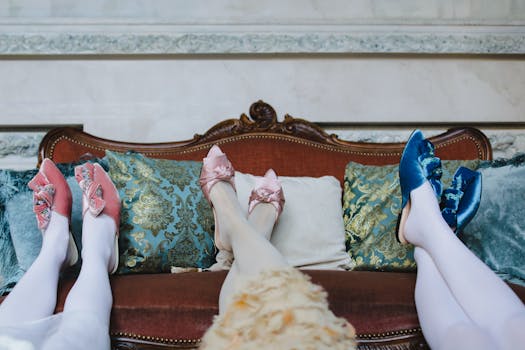

Have you ever stood in a room, surrounded by furniture that, on its own, you adore, yet together, it feels… off? Perhaps your sleek, modern sofa clashes with your grandmother’s ornate antique dresser, or your mid-century modern accent chair feels like an outsider next to your bohemian rug. It’s a common design dilemma, and one that often leaves homeowners feeling a bit lost. The impulse is often to stick to one style, to play it safe. But what if I told you that some of the most captivating, character-filled interiors are born from the courageous act of blending different design aesthetics? It’s not about random selection; it’s about intentional curation. So, let’s dive into the fascinating world of how to mix and match furniture styles and transform your space from a collection of pieces into a cohesive, personality-rich story.
Why Dare to Blend? The Power of Eclectic Design
Sticking to a single furniture style can, admittedly, be straightforward. You pick a style – say, Scandinavian – and everything else tends to fall into place relatively easily. However, relying too heavily on a singular aesthetic can sometimes lead to spaces that feel a bit sterile, predictable, or even like a showroom rather than a lived-in home.
This is where the magic of mixing styles truly shines. When done thoughtfully, blending disparate pieces creates visual interest, adds depth, and injects a unique personality that purely cohesive styles often lack. It’s about creating a dialogue between different eras, forms, and textures, resulting in a space that feels curated over time, reflecting your evolving tastes and travels. It’s the difference between a perfectly arranged magazine spread and a room that whispers stories.
Finding Your Common Ground: The Unifying Elements
So, how do we bridge the gap between, for instance, a minimalist platform bed and a rustic farmhouse dining table? It sounds daunting, but the key lies in identifying and leveraging unifying elements. Think of these as the silent negotiators of your interior design.
Color Palette: This is perhaps the most potent unifier. If you have a diverse range of furniture, grounding them with a consistent color scheme can instantly create harmony. This doesn’t mean everything has to be the same shade; rather, select a primary color, a secondary color, and an accent color and ensure these hues appear across different pieces, whether in upholstery, wood tones, or decorative accents. For example, a deep navy sofa can find common ground with a vintage armchair upholstered in a patterned fabric that also features navy.
Material or Finish: Similar materials or finishes can act as visual anchors. If you have a mix of modern metal accents and traditional wooden pieces, try to ensure there’s a consistent metal finish (e.g., brushed nickel throughout) or a recurring wood tone. This creates a subtle thread connecting otherwise different items. A contemporary coffee table with a glass top might unexpectedly pair well with a vintage sideboard if both have similar metallic leg finishes.
Scale and Proportion: While styles may differ, ensuring pieces are appropriate in scale for the room and for each other is crucial. A petite Louis XVI chair next to an oversized modern sectional might look awkward simply due to size disparity, regardless of their individual merits. Consider the visual weight of each item.
The Art of Juxtaposition: Creating Intriguing Contrasts
Once you have your unifying elements in place, you can start playing with the exciting potential of contrast. This is where how to mix and match furniture styles truly comes alive and starts to feel like an art form. It’s about creating intentional, pleasing friction.
Modern Meets Vintage: This is a classic for a reason. A sleek, minimalist sofa looks stunning against a backdrop of antique Persian rugs or a vintage distressed mirror. Conversely, a clean-lined, modern accent chair can provide a fresh counterpoint to a room filled with more traditional pieces. The contrast highlights the best features of each style.
Bohemian Charm with Industrial Grit: Imagine a plush, bohemian velvet armchair nestled beside a raw, industrial-style metal shelving unit. The softness of the fabric juxtaposed with the hard, utilitarian lines creates a dynamic and inviting space. This approach embraces the unexpected and adds layers of texture and history.
Traditional Grace and Contemporary Flair: A formal, traditional dining table can be softened and made more approachable by pairing it with contemporary-style chairs, perhaps in a bright color or a sleek material. This mix prevents the dining room from feeling stuffy and injects a modern energy.
Practical Strategies for Successful Style Blending
Let’s move from theory to practice. How can you actively implement these ideas in your own home?
Start Small: If you’re new to mixing styles, begin with a single room or even just a corner. Introduce one or two pieces from a different aesthetic and see how they feel. A modern lamp on a vintage side table, for example.
Focus on Focal Points: Identify the main elements in your room. If you have a dominant piece in one style, allow it to be the star and then introduce complementary pieces from other styles. For instance, a grand, traditional fireplace might be the anchor, and you can then layer in modern artwork and contemporary seating.
The Power of Accessories: Sometimes, the easiest way to introduce a new style is through accessories. A few modern throw pillows on a classic sofa, or a collection of antique vases on a contemporary console table, can subtly shift the room’s mood.
Think About Flow Between Rooms: While each room can have its own personality, consider how they transition from one to the next. You don’t want a jarring shift. A color that appears in both the living room and the adjacent dining room can create a sense of continuity.
* Trust Your Gut: Ultimately, the most successful interiors are those that feel authentic to the people living in them. If a particular combination resonates with you, even if it breaks a design “rule,” go for it. Your intuition is a powerful design tool.
It’s interesting to note that the process of how to mix and match furniture styles often mirrors how we curate our lives – collecting memories, experiences, and objects that tell our unique story. Don’t be afraid to experiment and let your personality shine through. The goal is to create a space that feels not just beautiful, but also deeply yours.
Wrapping Up: Your Home, Your Masterpiece
Mastering how to mix and match furniture styles isn’t about achieving a perfectly curated showroom; it’s about creating a home that is a rich tapestry of your personal journey. By understanding the principles of color, material, and scale, and by embracing the art of juxtaposition, you can breathe life and character into any space. Remember, your home is your canvas, and these different styles are your palette. Don’t be afraid to be bold, to experiment, and to let your unique vision come to life. The most inspiring interiors are often the most personal, and that’s precisely what happens when you dare to mix and match.