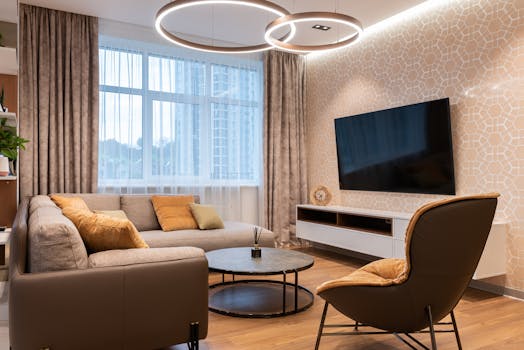

Have you ever walked into a room and immediately felt a sense of comfort, energy, or even intrigue, simply because of the light? It’s a subtle but powerful force, isn’t it? The way we illuminate our homes goes far beyond mere functionality; it’s about crafting an experience, influencing our moods, and even impacting our daily routines. But how do we navigate the dizzying array of bulbs, fixtures, and techniques to truly master the art of choosing the right lighting for your home? It’s not as simple as picking the brightest bulb or the most fashionable lamp. It’s a thoughtful process, a dance between aesthetics and practicality, and one that can profoundly elevate your living space. Let’s embark on this exploratory journey together, uncovering the secrets to creating perfectly lit interiors.
Layering Light: The Foundation of a Well-Lit Home
Think of lighting like a chef layering flavors in a dish. You wouldn’t just throw salt at everything, would you? Similarly, a successful lighting scheme rarely relies on a single source. Instead, it’s built upon layers, each serving a distinct purpose. Understanding these layers is fundamental to choosing the right lighting for your home.
Ambient Lighting: This is your foundational layer, providing overall illumination for a room. It’s the light that allows you to move safely and comfortably. Often achieved through ceiling fixtures like recessed lighting, chandeliers, or flush mounts, its primary goal is to bathe the space in a general glow. It’s the canvas upon which other lighting elements will be painted.
Task Lighting: This is where practicality shines. Task lighting is focused and directed, designed to illuminate specific activities. Think about the bright, often cooler light needed for reading a book in a cozy armchair, chopping vegetables in the kitchen, or applying makeup at a vanity. Under-cabinet lights in the kitchen, desk lamps in a home office, or pendant lights over a kitchen island are all excellent examples of task lighting in action.
Accent Lighting: Now, let’s add some drama and highlight your home’s best features. Accent lighting is used to draw attention to artwork, architectural details, plants, or decorative objects. It creates focal points and adds depth and dimension to a room. Wall washers, spotlights, and track lighting are common tools for this purpose. It’s the way you say, “Look at this!” without uttering a word.
Decoding the Lumens and Kelvins: Understanding Bulb Basics
One of the most perplexing aspects of choosing the right lighting for your home often boils down to the humble light bulb. We’ve moved beyond simple wattage, and understanding a few key terms can make a world of difference.
Lumens (lm): This measures the brightness of a light source. More lumens mean a brighter bulb. For ambient lighting, you’ll want a higher lumen count. For a reading lamp, a moderate amount might suffice. It’s the true indicator of how much light you’re actually getting, not just how much energy the bulb consumes.
Color Temperature (Kelvin, K): This describes the hue of the light, ranging from warm to cool.
Warm White (2700K – 3000K): Emits a yellowish, cozy glow, similar to incandescent bulbs. This is ideal for living rooms, bedrooms, and dining areas where a relaxing atmosphere is desired.
Cool White/Bright White (3500K – 4100K): Offers a more neutral, white light. It’s good for kitchens, bathrooms, and workspaces where clarity and visibility are important.
Daylight (5000K – 6500K): Mimics natural daylight, producing a crisp, bluish-white light. While excellent for areas requiring high detail and focus (like workshops or garages), it can feel too stark or clinical for general living spaces.
It’s interesting how a simple shift in Kelvin can completely alter the mood of a room. I’ve often found that experimenting with different color temperatures in similar spaces can reveal just how much impact this single factor has.
Fixture Form and Function: Where Style Meets Substance
The choice of lighting fixture is as much about aesthetics as it is about the light it emits. When choosing the right lighting for your home, the fixture itself becomes a decorative element.
Statement Pieces: Chandeliers, elaborate pendant lights, or unique floor lamps can serve as focal points, adding personality and flair. Consider the scale of the room and the existing decor. A massive chandelier in a tiny room can feel overwhelming, while a small, understated lamp might get lost in a grand space.
Integrated Solutions: Many modern fixtures now have integrated LED lights, offering energy efficiency and longevity. This can simplify the process, but it’s important to ensure the light quality and color temperature meet your needs, as these are often not easily changed.
Dimmers: The Unsung Heroes: Don’t underestimate the power of dimmers! They are arguably the most versatile lighting accessory, allowing you to adjust the intensity of light to suit different moods, times of day, and activities. Installing dimmers on your ambient and task lighting can transform the usability of a space.
Illuminating Specific Zones: Tailoring Light to Your Lifestyle
Different areas of your home have unique lighting requirements. Thinking critically about how you use each space is key to choosing the right lighting for your home.
Kitchen: This is a high-function zone. You’ll need bright, clear ambient lighting for general movement, robust task lighting over countertops and the sink, and perhaps accent lighting under cabinets or inside glass-fronted displays. Consider warmer tones for dining nooks within the kitchen to create a cozy contrast.
Living Room: This space often serves multiple purposes – relaxation, entertaining, reading, and watching TV. A layered approach is essential here. Soft ambient light from a dimmer-controlled ceiling fixture, floor lamps for reading, and perhaps wall sconces to add a warm glow create flexibility. Avoid harsh overhead lighting that can create glare on screens.
Bedroom: This is your sanctuary. Warm, dimmable ambient lighting is paramount for relaxation. Bedside lamps are crucial for reading, and task lighting might be needed for dressing areas. The goal is to create a tranquil, inviting atmosphere that promotes rest.
Home Office: Focus and productivity are key. Bright, adjustable task lighting is vital to reduce eye strain. Consider cooler color temperatures to enhance alertness. Ambient lighting should be sufficient but not so bright that it becomes distracting.
Natural Light: The Ultimate Design Element
Before even thinking about artificial sources, it’s crucial to consider your home’s natural light. Maximizing its potential is often the most effective and cost-efficient form of illumination.
Window Treatments: Are your curtains or blinds allowing enough natural light in during the day? Sheer fabrics or adjustable blinds can help control glare while still letting in daylight.
Placement of Furniture: Arrange your furniture to take advantage of window placement. Avoid blocking windows with large pieces that could obstruct natural light flow.
Reflective Surfaces: Mirrors and light-colored paint can bounce natural light deeper into a room, making spaces feel larger and brighter.
It’s fascinating how much we can achieve by simply working with the light nature provides. In my experience, the most successful interiors seamlessly blend natural and artificial light, creating a harmonious and dynamic environment.
Wrapping Up: Illuminating Your Vision
Ultimately, choosing the right lighting for your home is a deeply personal journey of discovery. It’s about more than just technical specifications; it’s about understanding how light impacts our well-being, our productivity, and our overall enjoyment of our living spaces. By embracing a layered approach, understanding the nuances of bulb technology, and thoughtfully considering the function and form of your fixtures, you can sculpt an environment that feels not just lit, but truly alive. Don’t be afraid to experiment, to play with different options, and to trust your instincts. The perfect illumination awaits, ready to transform your house into a home that shines.