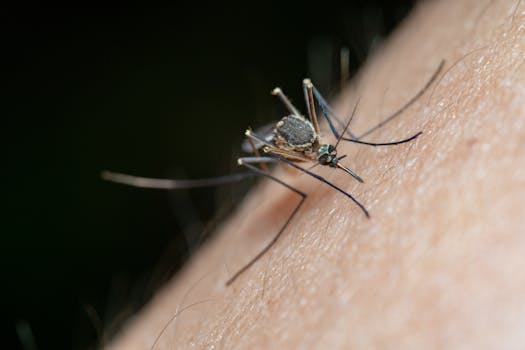

Imagine a quiet evening, a moment of relaxation finally earned, only to be shattered by the tell-tale skittering of unwelcome guests. It’s a scenario far too common, underscoring a critical truth: effective pest management isn’t a one-time battle, but an ongoing campaign. While professional interventions are often necessary, the real power to maintain a pest-free environment lies in consistent, strategic pest control maintenance tips. This isn’t just about reacting to an invasion; it’s about building a resilient defense system that deters pests before they even consider your home or business their own.
For those who understand that prevention is always more potent than cure, delving into the nuances of proactive pest management is key. It’s about understanding pest behavior, identifying vulnerabilities, and implementing subtle yet significant changes that significantly reduce the likelihood of an infestation. Let’s dissect the core principles and actionable steps that constitute truly effective pest control maintenance.
Understanding the Ecosystem of Your Property
Before we can effectively manage pests, we must first appreciate the environment they exploit. Pests, whether they’re insects, rodents, or other critters, seek out specific conditions: food, water, shelter, and access. A robust maintenance strategy begins with a thorough understanding of these attractants and vulnerabilities present on your property.
This involves more than just a cursory glance. It requires an analytical approach to identifying potential entry points, moisture accumulation zones, and readily available food sources. Think of it as a detective’s work – piecing together the clues that would make your property an irresistible target for unwanted inhabitants. In my experience, homeowners often overlook the seemingly insignificant details that can become major pest highways.
Proactive Sanitation: The First Line of Defense
Sanitation is, without question, the cornerstone of any effective pest control maintenance tips regimen. It’s not merely about keeping things tidy; it’s about systematically removing the resources that pests need to survive and thrive. This is particularly critical for businesses where hygiene standards are paramount, but equally important for residential peace of mind.
Food Storage: Ensure all food items, including pet food, are stored in airtight containers made of glass, metal, or sturdy plastic. This prevents access and contamination. Crumbs and spills are goldmines for ants and rodents, so regular cleaning of pantries, countertops, and floors is non-negotiable.
Waste Management: Secure garbage bins with tight-fitting lids. Empty them regularly, especially in warmer months. Food scraps are a primary attractant. Consider composting, but do so in a way that doesn’t create an accessible buffet for pests.
Water Sources: Pests need water as much as food. Fix leaky pipes, dripping faucets, and ensure proper drainage around your property. Standing water in plant saucers or clogged gutters can be significant breeding grounds.
Sealing the Entry Points: Fortifying Your Structure
The physical integrity of your property is a direct determinant of its susceptibility to pest intrusion. Even the most meticulous sanitation efforts can be undermined by readily available entry points. Addressing these vulnerabilities is a vital component of ongoing pest control maintenance tips.
Cracks and Crevices: Inspect the exterior and interior of your building for any cracks in the foundation, walls, or around windows and doors. Seal these with appropriate caulk or sealant. Even a gap as small as a quarter-inch can be an entry point for mice.
Door and Window Seals: Ensure weather stripping and door sweeps are intact and properly fitted. Gaps here allow pests to scurry in unnoticed, especially at ground level.
Utility Penetrations: Pay close attention to where pipes, wires, and cables enter your home. Seal these gaps thoroughly. Often, these are overlooked yet provide easy access for a variety of pests.
Roof and Attic Integrity: Inspect your roof for damaged shingles or vents. Pests can exploit holes in the roofline or damaged attic vents to gain access to the upper levels of a structure.
Landscape Management: Minimizing Outdoor Attractions
Your property’s exterior environment plays a significant role in its pest pressure. Overgrown vegetation, debris piles, and improperly stored items can provide ideal harborage and breeding sites for pests, effectively turning your yard into a pest staging area. Strategic landscaping is an often-underestimated element of pest control maintenance tips.
Vegetation Trimming: Keep trees, shrubs, and bushes trimmed back from the foundation of your building. Branches can act as bridges for rodents and insects to reach your home.
Debris Removal: Regularly clear away leaf litter, woodpiles, old tires, and any other debris that can provide shelter for pests. Store firewood at least 20 feet away from the house and elevated off the ground.
Drainage Control: Ensure your landscaping promotes proper water runoff away from your home. Standing water can attract mosquitoes and other water-loving insects.
Regular Inspections: The Vigilant Guardian
The most effective pest control maintenance tips are those that incorporate regular, thorough inspections. This allows for early detection, preventing minor issues from escalating into major infestations. It’s about developing a habit of looking for the subtle signs that others might miss.
Seasonal Checks: Conduct more detailed inspections at the change of seasons. Different pests are active during different times of the year, and their behavior may shift.
High-Risk Areas: Focus on areas prone to pest activity, such as kitchens, bathrooms, basements, attics, and garages. Look for droppings, gnaw marks, webs, or actual pests.
* Professional Consultations: Even with diligent self-maintenance, occasional professional inspections are invaluable. Experts can identify issues you might overlook and offer tailored advice based on your specific property and local pest pressures.
Conclusion: Cultivating a Proactive Mindset
The journey to a persistently pest-free environment is paved with consistent effort and intelligent strategy. Implementing these pest control maintenance tips transcends mere tidiness; it’s about understanding the ecological principles that govern pest behavior and actively shaping your environment to be less hospitable to them. By integrating proactive sanitation, structural integrity checks, thoughtful landscape management, and regular vigilance, you build a formidable defense. This shift from reactive extermination to proactive prevention not only safeguards your property but also offers a profound sense of enduring peace of mind.
Considering the cumulative impact of small, consistent actions, what is one overlooked area of your property that you can address this week to bolster your pest defense?