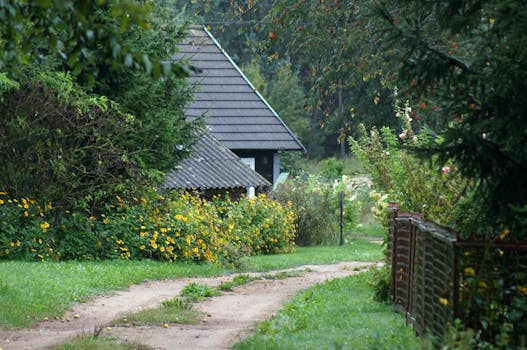

Imagine stepping out your back door, not onto a utilitarian strip of concrete, but onto a winding, inviting pathway that beckons you deeper into your garden’s embrace. A well-designed garden path isn’t merely a way to get from point A to point B; it’s an integral part of the landscape’s narrative, guiding the eye, defining spaces, and adding a touch of magic. But have you ever stopped to consider what truly makes a garden path sing? It’s a question that sparks contemplation, isn’t it? It’s about more than just laying down some pavers or gravel. It’s about intentionality, about understanding how movement and form can transform your outdoor living.
Many homeowners might shy away from the idea, picturing it as a daunting DIY project. Yet, the truth is, understanding how to build a garden path can be an incredibly rewarding endeavor, one that allows for immense creativity and personalization. It’s about assessing your garden’s unique character and choosing elements that complement, rather than compete.
The Foundation of Functionality: Why Your Path Matters
Before we even think about stepping stones or mulch, let’s ponder the fundamental purpose. A garden path serves a crucial role in its ecosystem, both visually and practically. It dictates how you interact with your garden, creating flow and accessibility. Think about it: does your current garden feel disjointed, or does it guide you effortlessly from the patio to the vegetable patch, or perhaps to a secluded bench?
Defining Zones: Paths can subtly separate different areas of your garden, making it feel more organized and intentional. A winding path might lead to a secret nook, while a more direct one connects high-traffic areas.
Guiding the Eye: The very shape and direction of a path can lead your gaze through the landscape, highlighting focal points like a specimen tree, a water feature, or a vibrant flower bed.
Improving Accessibility: Let’s face it, navigating a soggy lawn after a rain shower isn’t ideal. A solid path ensures you can enjoy your garden in all but the most extreme weather.
Adding Aesthetic Appeal: This is where the artistry comes in. The materials, colors, and textures of your path contribute significantly to the overall aesthetic of your garden.
Unpacking Your Garden’s Personality: Design Considerations
So, you’ve decided to embark on this journey of creating a garden path. Now comes the fun part: imagining what it could be. What is the essence of your garden? Is it a formal, manicured affair, or a wild, rambling sanctuary? The answer will heavily influence your design choices.
Consider the existing architecture of your home. A modern house might suit clean lines and minimalist materials, perhaps large format pavers or smooth, dark gravel. On the other hand, a rustic cottage would feel perfectly at home with a meandering path of irregular flagstones or crushed brick.
And what about the topography? A gentle slope might call for a gracefully curving path, preventing it from becoming too steep. For flatter areas, a straight path can add a sense of grandeur, but a curved one often feels more natural and encourages exploration.
#### What is the True Purpose of Your Path?
This is a question I often pose to my clients. Are you building a path for daily access to your compost bin, or are you creating a romantic walkway to a hidden seating area? The intended use will dictate the width, material durability, and even the level of embellishment. A path meant for heavy foot traffic might require robust edging and a more stable base, whereas a decorative path might prioritize visual appeal over sheer resilience. Understanding the why behind your path is the first crucial step in deciding how to build a garden path that truly serves you.
Material Matters: The Palette of Possibilities
The choice of materials is arguably the most impactful decision you’ll make. Each option brings its own character, maintenance needs, and cost.
#### Natural Stone: Timeless Elegance
Flagstone: Irregular shapes of natural stone, laid with gaps for moss or ground cover, create an incredibly organic and timeless feel. It’s a popular choice for a reason, offering beauty and durability.
Gravel/Pebbles: Economical and easy to install, gravel paths can range from fine pea gravel for a soft crunch underfoot to larger decorative stones. They offer excellent drainage but do require occasional raking and topping up. Consider using a good quality weed membrane underneath to minimize maintenance.
Cobblestones/Setts: These smaller, rounded stones offer a charming, old-world feel. They can be more labor-intensive to lay evenly, but the result is a sturdy, classic pathway.
#### Man-Made Marvels: Modern Charm and Practicality
Pavers (Concrete/Brick): Available in an enormous array of colors, shapes, and sizes, pavers offer incredible design flexibility. They are generally durable and relatively easy to install, making them a very practical option for how to build a garden path. You can achieve intricate patterns or simple, clean layouts.
Recycled Materials: Don’t overlook the potential of reclaimed bricks or even recycled rubber paving for a sustainable and unique look.
When selecting materials, always think about longevity and how they’ll age. Will they weather gracefully, or will they become an eyesore?
The Nitty-Gritty: Laying the Groundwork
So, we’ve got the design and the materials. Now, let’s get our hands dirty. The foundation is paramount for a path that lasts. Cutting corners here is a recipe for future headaches.
- Marking Out: Use stakes and string, or even a garden hose, to precisely outline your desired path. Ensure the curves are smooth and intentional.
- Excavation: This is where the real work begins. You’ll need to dig out the trench to the appropriate depth. This depth depends on your chosen material and whether you’ll be adding a sub-base. For most paths, around 4-6 inches is a good starting point.
- Sub-Base Preparation: For stability and drainage, a layer of compacted crushed stone or aggregate is essential. This forms a solid foundation that prevents settling and waterlogging. Use a tamper to ensure it’s firm.
- Edging (Optional but Recommended): Edging materials like metal strips, timber, or stone kerbs help contain your path materials and prevent them from spreading into the lawn or beds.
- Laying Your Chosen Material: This is where your chosen aesthetic comes to life. Follow the manufacturer’s recommendations for your specific material. For pavers, this often involves a layer of sand for leveling. For gravel, it’s simply spreading and leveling.
It’s worth noting that the complexity of laying, particularly with natural stone or intricate paver patterns, can vary wildly. This is where understanding how to build a garden path effectively means knowing when to seek professional help if your skills or time are limited.
The Finishing Touches: Bringing Your Path to Life
Once your path is laid, it’s time to consider the details that elevate it from functional to fabulous.
Planting: Soften the edges of your path with low-growing plants, creeping thyme, or ornamental grasses. This integration with the surrounding planting blurs the lines and makes the path feel like a natural part of the garden.
Lighting: Solar path lights can add a magical ambiance in the evening, enhancing safety and extending your garden enjoyment.
Accents: Consider adding a small decorative element along the path, like a bird bath, a small sculpture, or even a unique marker stone.
Final Thoughts: The Enduring Appeal of an Inviting Pathway
Ultimately, how to build a garden path is a journey of discovery, both for your garden and for yourself. It’s about more than just laying down materials; it’s about creating an experience, a flow, a connection to the natural world. Don’t be afraid to experiment, to ponder the possibilities, and to let your garden’s unique character guide your decisions. The most beautiful paths aren’t always the most complex; they are the ones that feel right, the ones that invite you to wander, to explore, and to simply be. So, go ahead, take that first step, and build a path that truly speaks to the soul of your garden.